The Ultimate Guide to Mini Netball: Rules, Court Size, Positions and Benefits
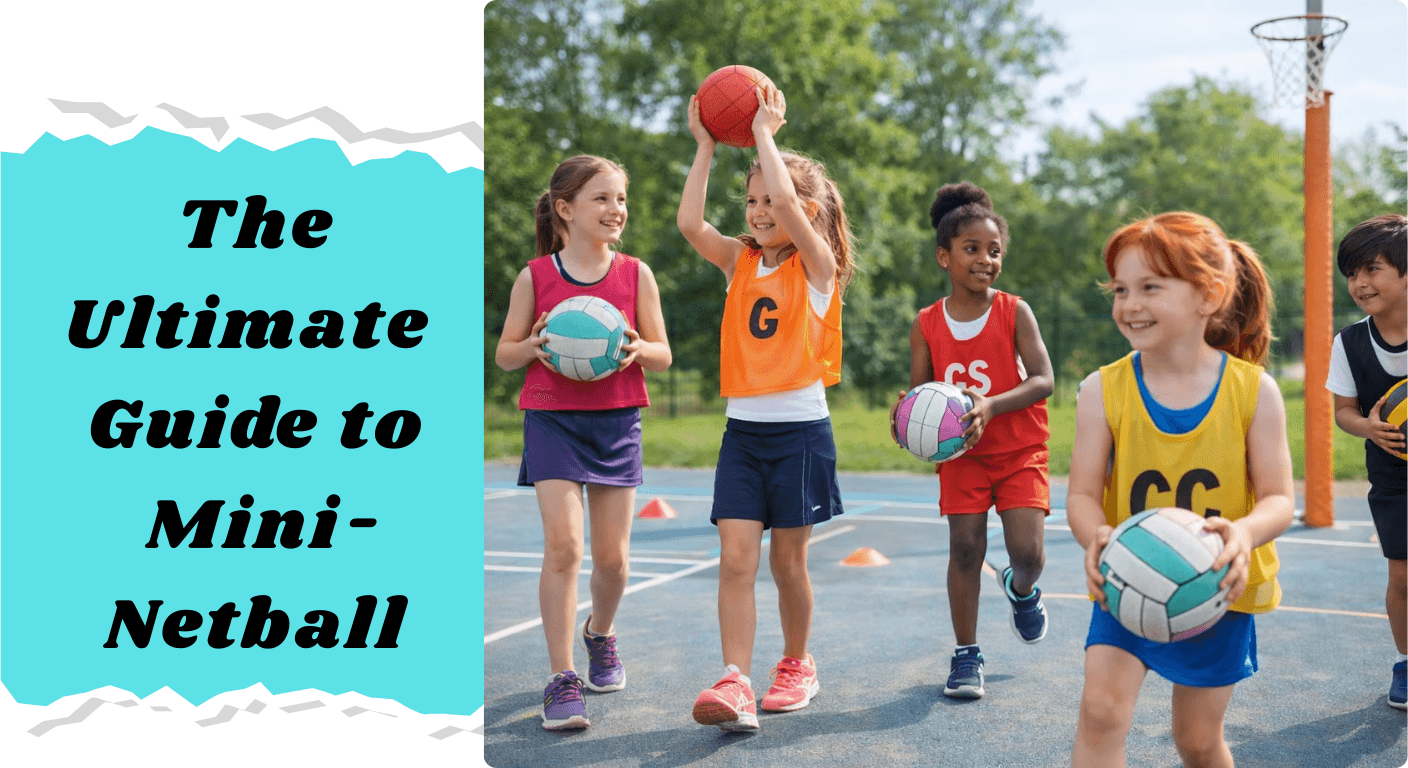
Mini netball is a modified version of traditional netball designed to introduce younger players to the sport in a fun, accessible and age-appropriate way. It helps children develop essential skills such as passing, catching, shooting, teamwork and movement while learning the basic principles of the game.
The format generally uses a smaller court, a lighter ball, fewer players and adapted rules. These changes make it easier for children to participate, build confidence and enjoy playing netball.
Mini netball is particularly popular as an introduction to the sport for children aged approximately 7–11, although age groups and competition formats can vary between countries and organisations.
This guide covers mini netball rules, court dimensions, player positions, equipment, strategies and the benefits of playing.
What Is Mini Netball?
Mini netball is a junior version of traditional netball. It introduces children to the basic skills and rules of the game through a modified format.
Like standard netball, the main objective is to score goals by passing the ball between teammates and shooting it through the opposing team's ring.
However, mini netball makes several adjustments to suit younger players:
- Smaller playing area.
- Smaller and lighter ball.
- Fewer players on each team.
- Lower goal post height.
- Age-appropriate rules and coaching.
- Greater emphasis on participation and skill development.
The purpose is not simply to make the game shorter or easier. It is to help young players understand netball fundamentals before progressing towards the full seven-player game.
What Are the Mini Netball Rules?
Mini netball follows the basic principles of traditional netball, but some rules are adapted for younger age groups.
The following table summarises the format described in this guide. Coaches should always check their local association's current rules before organising a competition.
| Rule | Mini Netball Format |
|---|---|
| Players on court | 5 per team |
| Ball size | Size 4 |
| Court dimensions | Approximately 18m × 10m |
| Match duration | Four 10-minute quarters |
| Holding the ball | Maximum of 3 seconds |
| Footwork | Players cannot run with the ball |
| Contact | Contact is not permitted |
| Offside | Adapted for junior development |
| Goal post height | Approximately 2.4 metres |
1. Team Composition
A mini netball team typically has five players on court:
- Goal Shooter (GS): Works in the attacking circle and attempts to score goals.
- Goal Attack (GA): Supports the attack and can shoot from inside the shooting circle.
- Centre (C): Links the attacking and defensive areas and helps move the ball around the court.
- Goal Defence (GD): Works to prevent the opposition from scoring.
- Goal Keeper (GK): Defends the goal area and challenges opposing shooters.
The Wing Attack and Wing Defence positions are omitted in this five-player format.
The smaller team size can make it easier for beginners to understand their responsibilities and become involved in the game.
2. Court Dimensions
A mini netball court is smaller than a standard netball court.
A commonly used modified court measures approximately:
- Length: 18 metres.
- Width: 10 metres.
- Goal post height: 2.4 metres.
The smaller playing area gives children a more manageable space in which to practise passing, catching, defending and shooting.
Court layouts and dimensions can differ between junior programmes, so organisers should follow their governing body's specifications.
3. Duration of Play
One mini netball format uses four quarters of 10 minutes each.
| Match Period | Duration |
|---|---|
| First quarter | 10 minutes |
| Second quarter | 10 minutes |
| Half-time interval | 5 minutes |
| Third quarter | 10 minutes |
| Fourth quarter | 10 minutes |
| Total playing time | 40 minutes |
Shorter playing periods help maintain concentration and allow coaches to rotate players during development sessions.
Competition organisers may use different match lengths depending on the age group and level of play.
What Equipment Do You Need for Mini Netball?
Mini netball does not require complicated or expensive equipment. Schools, clubs and community groups can organise introductory sessions with a few essential items.
| Equipment | Recommended Specification | Purpose |
|---|---|---|
| Netball | Size 4 | Easier for younger players to handle |
| Goal posts | Around 2.4m high | Suitable for junior shooting practice |
| Court markings | Cones or painted lines | Defines the playing area |
| Footwear | Non-marking court shoes | Provides grip and lateral support |
| Bibs or vests | Five position labels | Helps players learn their roles |
| Cones | Training cones | Useful for movement and passing drills |
| Ankle support | Optional | May provide additional support |
Choosing the Right Netball
A size 4 netball is commonly used in junior formats. It is smaller than the size 5 ball used in senior netball and can be easier for children to grip, catch and pass.
Choose a ball with a suitable surface and grip for the playing environment.
Choosing Netball Shoes
Good footwear helps young players move safely and confidently.
Look for shoes that offer:
- Good grip on indoor court surfaces.
- Lateral support for side-to-side movement.
- Comfortable cushioning.
- A secure fit around the foot.
Running shoes are generally designed for forward movement rather than the quick changes of direction required in netball.
Read our guide to cheap netball shoes for women for more information about choosing netball footwear.
What Strategies Work Best in Mini Netball?
Young players should first develop the basic skills of the game. Coaches can introduce more advanced tactics as players become comfortable with passing, catching, footwork and positioning.
1. Fast Ball Movement and Lead Passing
Passing is one of the most important skills in netball.
Players should learn to move into open spaces and offer their teammates clear passing options.
Useful coaching points include:
- Look for an available teammate before passing.
- Move into space rather than standing still.
- Keep passes controlled and accurate.
- Communicate with teammates.
- Catch the ball with both hands when appropriate.
Chest passes and bounce passes are useful starting skills for young players.
2. Zone Defence Positioning
Zone defence teaches players to protect particular areas of the court rather than simply following one opponent.
For beginners, coaches can introduce simple defensive responsibilities:
- Watch the ball and the movement of opponents.
- Stay aware of teammates.
- Protect open passing spaces.
- Keep a balanced defensive position.
- Avoid unnecessary contact.
Introduce defensive positioning gradually so that players can understand the basic rules before learning more complicated tactics.
3. Shooting Technique and Circle Entries
Shooting is an exciting part of mini netball and an important skill for attacking players.
The B.E.E.F. method can help beginners remember the basic shooting technique:
- Balance: Keep the body stable.
- Eyes: Focus on the ring.
- Elbow: Keep the shooting arm aligned.
- Follow-through: Extend the arm and fingers towards the target.
Coaches can begin with stationary shooting practice before introducing movement and passing combinations.
Players should also practise entering the shooting circle at the right time and creating space for a clear shot.
For more training ideas, explore our guides to netball drills and top 5 netball drills.
What Are the Benefits of Mini Netball for Children?
Mini netball offers benefits beyond learning how to play a sport. It encourages children to become active, work with others and develop confidence.
1. Physical Development
Regular participation can help children improve:
- Cardiovascular fitness.
- Hand-eye coordination.
- Balance and body control.
- Agility and movement.
- Passing and catching skills.
- General physical activity levels.
The game involves running, jumping, stopping, turning and changing direction, helping children develop a variety of movement skills.
2. Teamwork and Communication
Netball is a team sport that requires players to communicate and cooperate.
Mini netball helps children learn to:
- Share the ball with teammates.
- Communicate during play.
- Listen to instructions.
- Support other players.
- Work towards a common goal.
- Respect opponents and officials.
These skills can also be useful in school and everyday life.
3. Confidence and Skill Progression
Learning a new sport can be challenging for children. A modified game gives beginners an opportunity to practise without immediately facing the demands of the full version.
Children can develop confidence by:
- Successfully catching and passing the ball.
- Learning different player positions.
- Scoring their first goal.
- Participating in team activities.
- Improving through regular practice.
Coaches should encourage effort and improvement rather than focusing only on winning.
4. Enjoyment and Social Development
Mini netball provides an opportunity for children to make friends and enjoy physical activity.
Training sessions and matches can teach children how to cooperate, celebrate achievements and handle both success and disappointment.
How Can Coaches Introduce Mini Netball to Beginners?
A good introductory session should be simple, active and enjoyable.
Coaches can divide a session into short activities so that children have plenty of opportunities to practise.
Suggested Beginner Training Session
| Activity | Suggested Time | Main Skill |
|---|---|---|
| Warm-up games | 5 minutes | Movement and coordination |
| Passing in pairs | 10 minutes | Passing and catching |
| Cone movement drill | 10 minutes | Agility and balance |
| Shooting practice | 10 minutes | Shooting technique |
| Small-sided game | 15 minutes | Teamwork and positioning |
| Cool-down | 5 minutes | Recovery |
This is an example of a 55-minute training session, not an official competition schedule. Coaches can adjust the activities and duration according to players' ages and abilities.
Tips for Parents
Parents can support young players by:
- Encouraging regular participation.
- Providing comfortable sports clothing and suitable footwear.
- Helping children practise basic passing and catching.
- Praising effort and improvement.
- Encouraging good sportsmanship.
- Making sure children have enough water and rest.
The most important goal is to make sport enjoyable and help children develop a positive attitude towards physical activity.
Mini Netball vs Standard Netball
Mini netball and standard netball share the same basic objective, but their formats are different.
| Feature | Mini Netball | Standard Netball |
|---|---|---|
| Main audience | Younger or beginner players | Older and experienced players |
| Team size | 5 players in the format described | 7 players |
| Ball | Usually size 4 | Size 5 |
| Court | Smaller modified court | 30.5m × 15.25m |
| Goal post | Lower modified height | 3.05m |
| Match format | Often shorter quarters | Competition-specific quarters |
| Positions | Five adapted positions | Seven positions |
| Main focus | Learning and development | Full competitive game |
The exact mini netball format can vary between countries, clubs and age groups.
Frequently Asked Questions About Mini Netball
What age is mini netball designed for?
Mini netball is commonly designed for children aged approximately 7–11. Some clubs also offer introductory sessions for younger children, with rules adjusted to suit their development.
How many players are on a mini netball team?
The five-player format described in this guide uses five players on court: Goal Shooter, Goal Attack, Centre, Goal Defence and Goal Keeper. Some junior programmes use different team sizes.
What size ball is used in mini netball?
A size 4 ball is commonly used in mini netball. It is smaller than the size 5 ball used in standard senior netball.
How long is a mini netball match?
One commonly used format consists of four 10-minute quarters, giving 40 minutes of playing time. Local competitions may use different match durations.
What are the court dimensions for mini netball?
The modified court described in this guide measures approximately 18 metres long and 10 metres wide. Dimensions can vary depending on the junior programme.
Can adults play mini netball?
Yes. Adults can play modified versions recreationally. Some programmes also use smaller courts and adapted rules to make netball more accessible to beginners and returning players.
Is mini netball the same as Fast5 netball?
No. Mini netball is primarily a junior development format. Fast5 is a separate five-player version of netball designed for a different style of competition, with modified scoring and match rules.
Read our guide to Fast5 netball rules to understand how the format works.
What positions are used in mini netball?
The five positions in the format described here are:
- Goal Shooter (GS)
- Goal Attack (GA)
- Centre (C)
- Goal Defence (GD)
- Goal Keeper (GK)
Does mini netball have an offside rule?
Modified junior formats may use adapted offside restrictions. Players should learn the permitted areas of the court according to the rules used by their local club or competition.
What footwear is recommended for mini netball?
Children should wear comfortable court shoes with good grip and lateral support. Suitable footwear helps them move confidently when running, stopping and changing direction.
Final Thoughts
Mini netball is an excellent introduction to the sport for children who want to learn new skills, stay active and enjoy playing as part of a team.
Its modified court, smaller ball and simplified team structure can make the game more accessible to beginners. With supportive coaching and regular practice, children can develop their passing, catching, shooting, communication and confidence.
Whether organised at school, in a local club or through a community programme, mini netball provides a positive foundation for progressing towards standard netball.
Explore more netball training equipment and netball guides on NetballOne to help young players get started.